Lucky Teacher Graphic: A Designer’s Embroidery Review
As an embroidery designer who has spent years digitizing patterns and reviewing files for real-world application, I approach every new machine embroidery design with a critical eye. It is not enough for a graphic to look good on a screen; it must translate flawlessly into thread, withstand the tension of the hoop, and appeal to the end customer. Recently, I evaluated the Lucky Teacher Graphic, a digital asset from Zen Designs By B, to determine its viability for commercial and personal projects. This review breaks down how this specific embroidery file performs in practical scenarios, offering insights for fellow crafters, Etsy sellers, and boutique owners.
First Impressions and Visual Personality
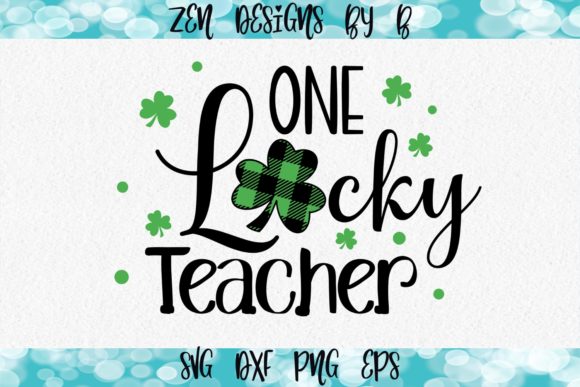
The initial appeal of the Lucky Teacher Graphic lies in its thematic clarity. The inclusion of a clover motif immediately signals luck, positivity, and perhaps a touch of whimsy suitable for educational or appreciation contexts. From a design perspective, the layout appears balanced, which is crucial for maintaining visual harmony when stitched. The fact that the clover is divided into three parts, as noted in the SVG format, suggests a layered approach. This is significant for embroidery because it allows for potential color blocking or texture variation, such as using a satin stitch for the leaves and a fill stitch for the center, depending on how you digitize or prepare the file for your machine.
The mood created by this graphic is warm and encouraging. For teachers, who often receive an abundance of generic gifts, a design that feels personalized and thoughtful stands out. The visual personality is clean yet detailed enough to hold interest without becoming overly complex. This balance is essential for maintaining stitching clarity, especially when working with smaller hoop sizes or textured fabrics where fine details can get lost.
Real-World Application: The Custom Tote Bag Scenario
To truly test the versatility of the Lucky Teacher Graphic, I imagined a common real-life scenario: creating a custom embroidered tote bag for a teacher appreciation week gift. Tote bags are a staple in the craft business world, but they present unique challenges due to their fabric weight and structure. Canvas or heavy cotton totes require robust stabilization to prevent puckering.
In this scenario, the graphic’s structure holds up well. The distinct parts of the clover allow for strategic stitching paths that minimize jump stitches, resulting in a cleaner backside—a detail that discerning buyers notice. When stitched onto a natural canvas tote, the design acts as a focal point. If you choose high-contrast thread colors, such as emerald green against cream fabric, the graphic pops effectively. However, if you opt for subtle tones, the design still retains its shape, proving its adaptability for different aesthetic preferences. This makes it an excellent candidate for small shop product lines where customization is key.
Versatility Across Product Lines
Beyond tote bags, this digital embroidery file shows promise across various Crafts categories. For sweatshirt embroidery, the design scales nicely. A larger hoop allows for expanded detail, making it suitable for adult-sized apparel. Conversely, for baby embroidery items like onesies or bibs, the design can be scaled down, provided the stitch density is adjusted to remain soft against sensitive skin. The graphic also works well for embroidered patch creation. Patches are trending in the handmade market, and a luck-themed design fits perfectly with current fashion trends for jackets and backpacks.
For Etsy seller audiences, the versatility extends to home decor. Imagine this graphic on a kitchen towel or a pillow cover. The simplicity of the clover shape ensures it does not overwhelm the item, adding a touch of charm without dominating the space. This adaptability increases the perceived value of the finished product, allowing makers to offer a cohesive collection of goods under a single theme.
Technical Considerations and Fabric Compatibility
While the design is visually appealing, practical execution requires attention to technical details. One must consider fabric texture and stability. On stretchy fabrics like jersey knits, proper stabilizer selection is non-negotiable. A cut-away stabilizer is recommended to support the stitches and prevent distortion over time, especially if the item will be washed frequently. For thin fabrics, such as silk or lightweight cotton, a tear-away stabilizer combined with a topping might be necessary to keep the stitches from sinking into the material.
The note that the font used is not included is a critical reminder for users. If you plan to add text like "Lucky Teacher" or a name, you must select a complementary font and ensure it is properly digitized for embroidery. Poorly digitized text can ruin an otherwise beautiful design. Always test your text placement and size on scrap fabric before committing to the final piece. Additionally, check the stitch density of any added elements to ensure they match the weight of the clover graphic.
Navigating Challenges with Dark and Curved Surfaces
Using the Lucky Teacher Graphic on dark fabrics requires careful planning. Since the included PNG is in color, you have a visual reference, but you must select thread colors that provide sufficient contrast. Testing the design in black and white mockups can help identify areas where details might blend in. For curved surfaces like caps or hats, the design’s placement is crucial. The clover shape is relatively compact, making it suitable for the front panel of a cap, but ensure the hoop size accommodates the curvature without causing registration issues.
Detailed corners and tiny elements can be tricky in embroidery. If the clover’s tips are too sharp, they may fray or fail to stitch out cleanly. Digitizers often round off extreme points to ensure durability. If you are converting the SVG or EPS yourself, pay attention to these nodes. For those using pre-digitized files, always run a test stitch-out to verify that the smallest details are secure and visually crisp.
Enhancing Brand Consistency and Customer Trust
For commercial embroidery professionals and creative entrepreneurs, consistency is vital. The Lucky Teacher Graphic offers a professional look that can enhance brand recognition. When customers see a well-executed, clean design, it builds trust in your craftsmanship. This is particularly important for personalized gift markets, where emotional value is tied to quality. A sloppy stitch-out can detract from the sentiment, while a precise one elevates the item into a keepsake.
Using high-quality design assets like this one allows small business owners to focus on production and marketing rather than struggling with poor-quality files. The inclusion of multiple formats—SVG, PNG, EPS, and DXF—means the graphic is compatible with various cutting machines like Cricut and Silhouette, as well as embroidery software. This flexibility supports a multi-channel business model, where you might sell both embroidered items and printable mockups or digital cut files.
Practical Designer Notes for Best Results
Before launching any product featuring the Lucky Teacher Graphic, follow these practical steps:
- Test on Scrap Fabric: Always stitch a sample on the same fabric type you intend to use for production. This reveals issues with tension, density, and stabilization.
- Check Thread Contrast: Ensure your thread choices stand out against the fabric background. Use a color chart to preview combinations.
- Verify Licensing: Confirm the license terms provided by Zen Designs By B. Ensure you have the right to use the design for commercial purposes if you plan to sell finished items.
- Inspect Small Details: Zoom in on the digital file to check for any potential stitching errors or overlapping paths that could cause thread breaks.
- Consider Hoop Size: Choose a hoop that comfortably fits the design with extra margin for stability. Avoid cramming a large design into a small hoop.
In conclusion, the Lucky Teacher Graphic is a versatile and charming addition to any designer’s library. Its thoughtful composition and adaptability make it suitable for a wide range of embroidery projects, from apparel to home decor. By paying attention to technical details and fabric compatibility, crafters can produce high-quality, professional results that delight customers and strengthen their brand. Whether you are a hobbyist creating a holiday gift or an Etsy seller expanding your catalog, this design offers the reliability and aesthetic appeal needed for successful creation.